
SOS MENHEMA
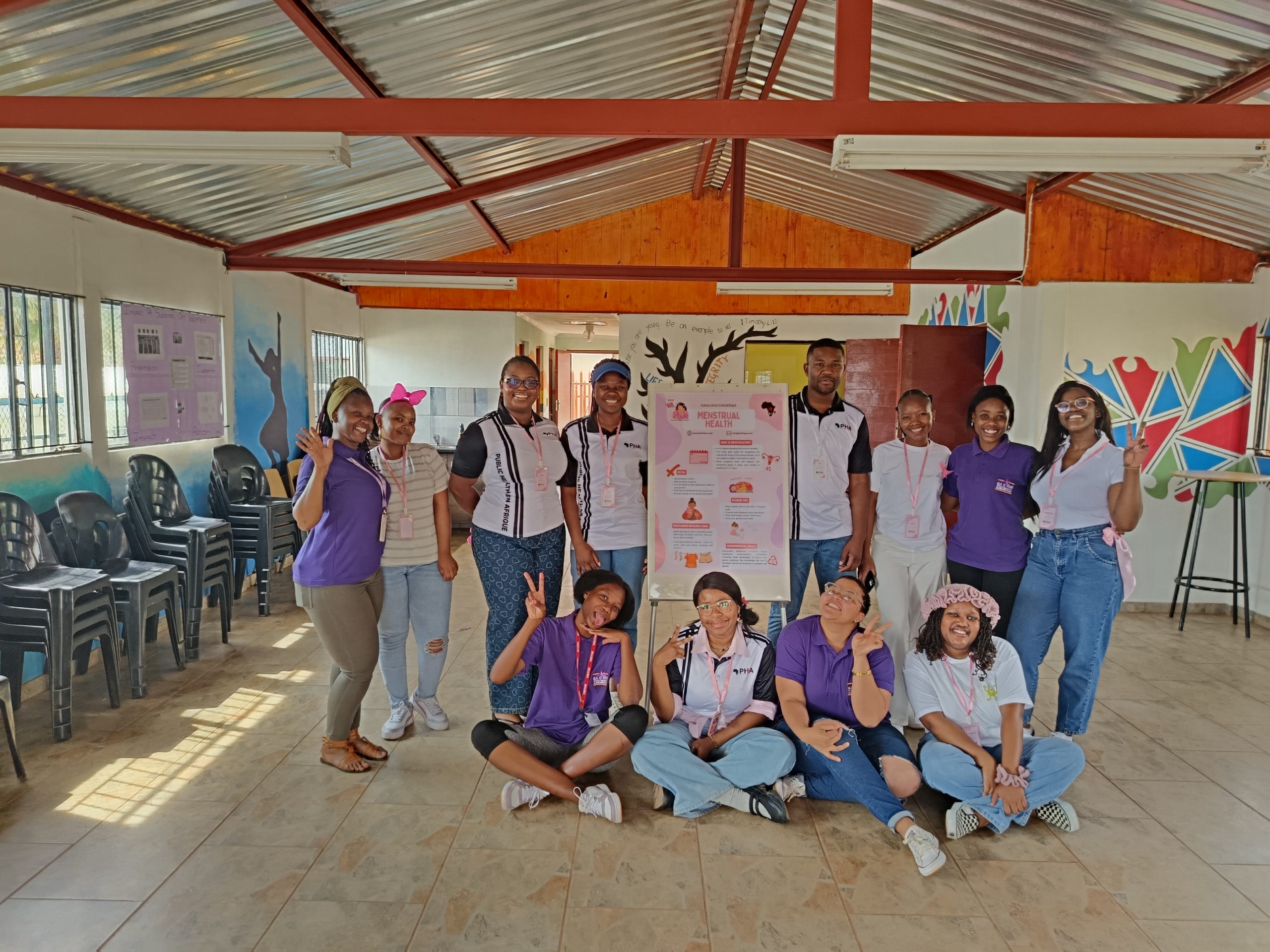
Supporting Menstrual Health Across Africa
At PHA, we believe that menstrual health is not just a hygiene issue, it’s a human right. That’s why we launched SOS MENHEMA, a grassroots project designed to address period poverty and menstrual stigma in underserved African communities.
The name SOS MENHEMA says it all: “SOS” signals urgency, and “Menhema” is short for menstrual hygiene management. Together, they reflect our mission to respond to the menstrual health crisis with empathy, education, and action.
Supporting Menstrual Health Across Africa
Across Africa, many school-aged girls still miss school during their periods due to stigma, lack of menstrual products, and poor sanitation facilities. More than 10% of girls are unable to attend classes while menstruating, with even higher rates in rural areas. This not only impacts education but also self-esteem and overall wellbeing.
We recognised that menstrual health can’t be addressed in isolation, it connects to mental health, environmental health, ethics, and maternal & child health, the four core pillars of PHA. So, we designed SOS MENHEMA as a holistic program that combines education, access to reusable products, and environmental awareness.
Looking Ahead
SOS MENHEMA proves that when you empower girls with knowledge, confidence, and sustainable products, you transform not just their health, but their futures too! Looking ahead, PHA aims to expand SOS MENHEMA to more communities across Africa, continue empowering young leaders, and build local capacity for lasting change. Together, we can end period poverty and put Africa first, one conversation, one community, one pad at a time. Email info@phafrique.com if you would like to be involved in this initiative!


PHA aims to provide a range of solutions, including:
- Online mental health education programs to raise awareness and reduce stigma.
- Collaborations with startup NGOs and established organisations to broaden the reach of public health initiatives.
- Target women and school-aged girls to raise awareness about the links between reproductive health and menstrual hygiene.
- Target school principals and staff to increase their knowledge of menstrual hygiene among students and their families
- Collaborate with community leaders to develop health in-language resources that may be distributed within their local communities.
- Distribute menstrual hygiene products to secondary school girls
- Educate the girls on how to use and clean the products
- Advocate for sexual health education in secondary schools
Impact
Improvement on Existing Efforts
PHA enhances existing public health initiatives by focusing on community engagement and education in a way that many organisations may overlook. PHA emphasises capacity building at the grassroots level, mainly through its educational programs tailored to the African context.
Systemic and Unique Approach
PHA’s approach is systemic because it tackles health issues holistically, recognising the interplay between different sectors, such as environmental health and mental well-being. Integrating various health disciplines and a commitment to empowering local communities sets PHA apart from more traditional health organisations that may focus narrowly on one area.
Tangible Results and Measurement
PHA has successfully launched educational initiatives, hosted webinars, and organised community outreach events. The organisation plans to measure outcomes through:
- Surveys and feedback from SOS MENHEMA sustainable menstrual hygiene program participants in remote South Africa.
- Tracking attendance and engagement levels in workshops and webinars.
- Evaluating the impact of the SOS MENHEMA sustainable menstrual hygiene program through project feedback from participants.
Scale
PHA plans to scale its efforts by expanding its outreach beyond the current geographical focus, increasing partnerships with local organisations, and enhancing its online presence. By establishing a robust alum network, PHA can foster a community of advocates who will contribute to long-term sustainability and outreach efforts.
The vision for the next 3–5 years is to expand PHA’s operations and presence across Africa. We want to build up the team by adding more paid, ongoing staff, which means more project coordinators, portfolio managers, volunteers, and interns from multiple African countries. The goal is to have PHA programs running in at least four countries (South Africa, Nigeria, Eswatini, and Zimbabwe) by the next 3 years.
Primary Sources of Income
To sustain its work over time, PHA will explore multiple income streams, including:
- Grants from philanthropic organisations focused on health and education.
- Collaborations and sponsorships with businesses and startups that align with its mission.
- Donations and fundraising campaigns are aimed at individual supporters and communities invested in public health improvement.